

Zoom y RTK RTK Technical Inspections
Zoom and RTK inspections combine long-range optical zoom cameras with RTK positioning to capture millimetre-level detail from a safe distance. We record zoom level, heading and gimbal orientation, generating georeferenced and repeatable data. This enables campaign comparison, defect evolution analysis and risk avoidance on energised or hard-to-access structures.
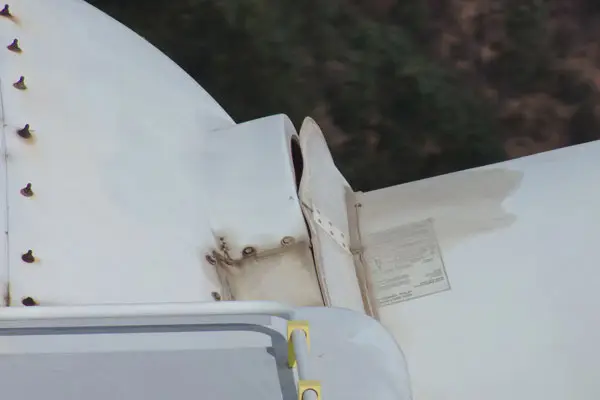
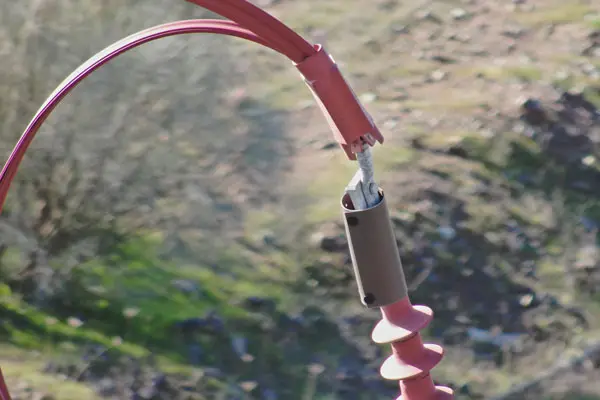
×30 optical zoom allows inspection of insulators, fittings and hub–blade connections without physical approach or EMI interference. RTK fixes exact coordinates to repeat framing over time and document micro-cracks, corrosion or looseness. Visual evidence accelerates diagnosis and safely prioritises adjustments, retightening or replacement.
We deliver georeferenced reports with zoom imagery, RTK coordinates, severity levels and recommendations. Deliverables include capture checklists, asset- or tower-based history and date-to-date comparisons. Traceability reduces inspection time, minimises unplanned outages and improves O&M planning, budget control and technical communication.

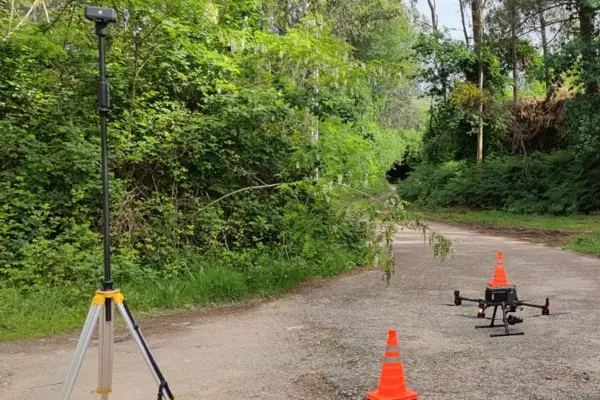
Advanced Zoom and RTK Technique – DJI Matrice 300 RTK
What Does Zoom and RTK Drone Inspection Involve?
Zoom and RTK drone inspection combines long-range optical zoom with RTK positioning to capture millimetre-level details with georeferenced data. Aircraft movement, zoom level and gimbal orientation are recorded to repeat missions accurately and compare campaigns.
Optical zoom enables inspection of communication towers and electrical lines from a safe distance, unaffected by interference, capturing bolts, clamps and insulators with high clarity for reliable evidence and fast maintenance decisions.
RTK ensures centimetre-level accuracy and identical flight paths on different dates, enabling defect evolution control and progress monitoring. On platforms such as DJI Matrice 300 RTK with H20T payloads, operations are stable and data capture is systematic
Benefits of Zoom and RTK Drone Inspections
Zoom and RTK inspections multiply detail without risk. Using RTK and optical zoom, we identify faults in fittings, conductors or hub–blade joints from a safe distance. We deliver georeferenced, repeatable data that prioritises repairs and reduces downtime.
Safety without working at height.
Millimetre-level detail of critical components.
RTK accuracy and repeatable routes.
IR/RGB and zoom evidence in a single workflow.
Comparable reports between campaigns.
Reduced downtime and improved O&M.
The georeferenced report classifies defects by severity and cost, with zoom images and precise location. RTK repeatability builds a reliable history to decide when and where to intervene, minimising costs and maximising asset availability.
Complementary Services

Types of Defects Detected with Zoom and RTK
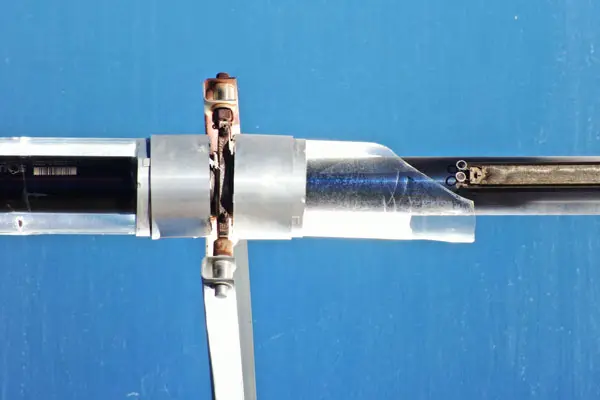
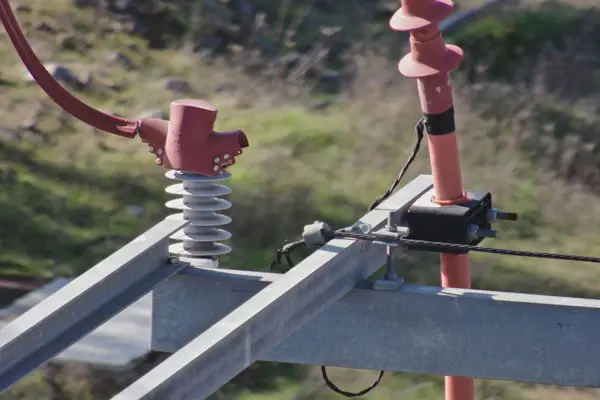
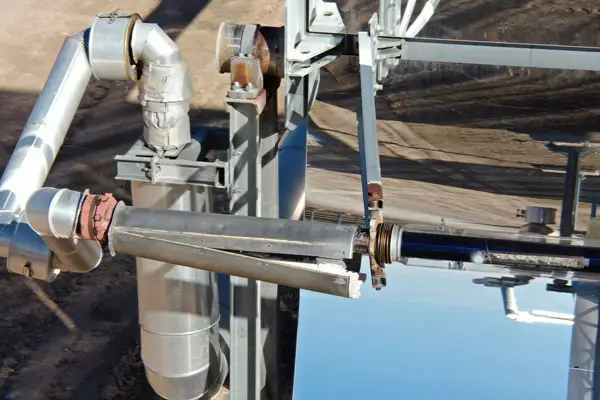
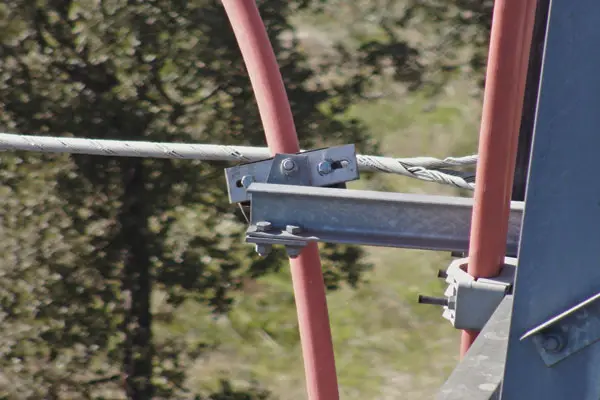
Optical zoom detects cracks, open clamps, strand damage or corrosion without physical approach. With RTK, we fix the exact position to repeat framing and measure evolution over time. The result is high-quality evidence and fast, informed maintenance decisions.
Why Choose SG solutions drones
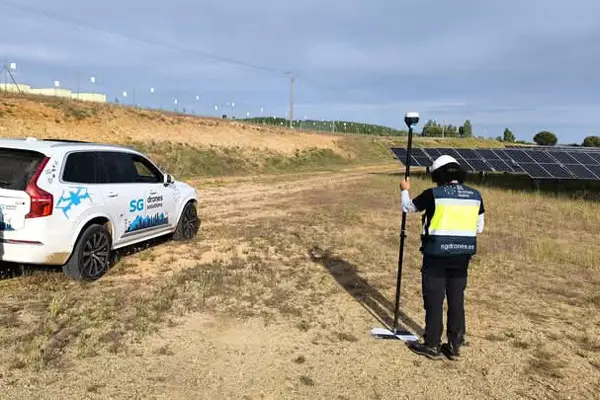
We combine experience in electrical networks and energy with state-of-the-art RTK + zoom technology. We deliver auditable reports in under 48 hours and a repeatable history that supports safe decisions, cost prioritisation and maximum availability.
Frequently Asked Questions about Zoom and RTK Inspections
RTK provides centimetre-level accuracy and repeatable flight paths, enabling campaign comparison and precise geographic location of defects.
Clamps, fittings, insulators, conductors, hub–blade connections and components in solar or solar-thermal plants, without physical approach.
Yes. Optical zoom enables safe-distance inspection, avoiding EMI effects and reducing risk to personnel.
Platforms such as DJI Matrice 300 RTK with H20T cameras, combining RGB, zoom and IR to deliver detailed, georeferenced data.
A georeferenced report with zoom images, RTK location, severity classification and recommendations, exportable to SCADA/CMMS with historical tracking.
When detail is required without risk, with speed and wide coverage. Zoom provides repeatable evidence and reduces inspection downtime and costs.
Related Services You May Also Be Interested In
Integrate structural analysis, electrical inspection and technical construction monitoring to achieve a complete overview with repeatable centimetre-level precision.