


Wind Turbine Inspections with Drones
Wind turbine drone inspections enable the assessment of blades, nacelle and tower without the need to stop turbines for extended periods. Using zoom, thermal and RTK sensors, we detect cracks, erosion, delamination and structural defects with centimetre-level accuracy, reducing maintenance costs and personnel risk.
At SG Solutions, we combine aerial inspection expertise with advanced data capture and analysis technology. Our missions follow AESA-approved protocols and deliver traceable results that improve decision-making in preventive maintenance, safety and operational performance.

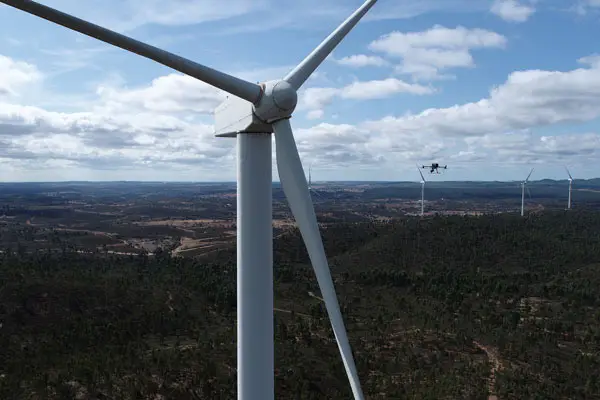
What Does Wind Turbine Inspection with Drones Involve?
Wind turbine drone inspection consists of the systematic capture of high-resolution images of blades, nacelle and tower using optical and thermal cameras mounted on RTK drones. This methodology replaces manual work at height with a remote, safe and efficient process that enables a complete structural assessment of each turbine.
During operations, automated flights are planned around the rotor to record all blade surfaces with controlled overlap and centimetre accuracy. Thermal sensors, such as the FLIR E96, detect internal anomalies—moisture ingress, delamination or overheating—while optical zoom identifies surface defects and erosion damage.
The data is processed with specialised software to generate digital models, defect reports classified by severity and georeferenced inspection maps. This provides the client with traceable information, comparable between campaigns and ready to integrate into preventive maintenance systems.
Benefits of Wind Turbine Drone Inspections
Wind turbine drone inspections reduce risk and downtime. We combine RTK, optical zoom and thermography to cover blades and nacelle within hours. We deliver digital reports comparable between campaigns that prioritise repairs and maximise wind farm availability.
Working-at-height safety: elimination of rope access and improved operational safety.
Reduced downtime: turbine stoppage time reduced by up to 60%.
Fast coverage: full blade and nacelle inspection completed within hours.
Digital reports: defects classified by severity with clear visual evidence.
Comparable history: damage comparison to optimise maintenance planning.
The georeferenced report ranks defects by severity and cost, proposing prioritised corrective actions. With annual inspection history and objective metrics, you optimise maintenance, minimise downtime and extend the service life of each turbine through clear, traceable decisions.

Complementary Services:
Types of Defects Detected
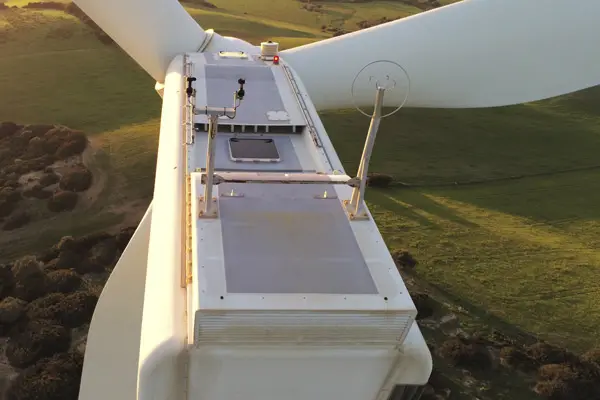
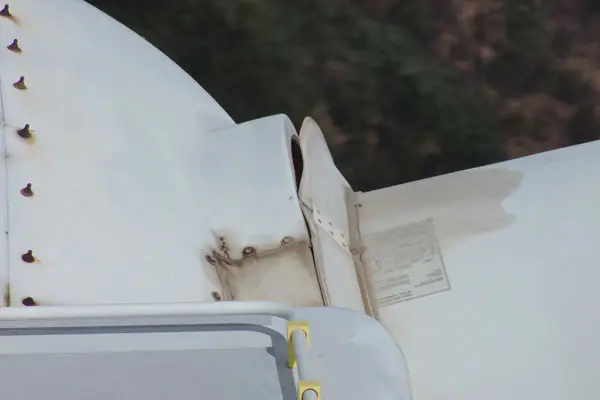
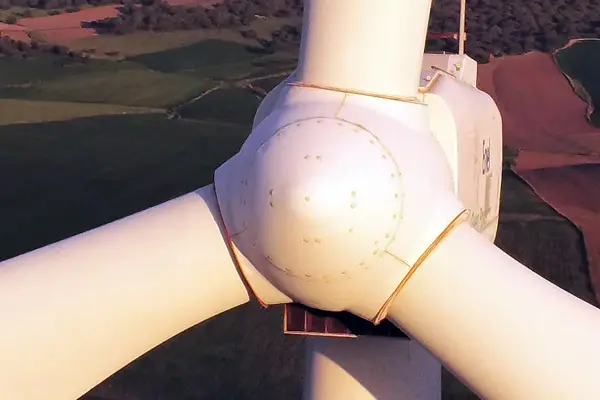
Drones detect surface and structural defects in blades, hub, nacelle and tower. ×30 optical zoom identifies erosion, cracks and gelcoat loss, while radiometric thermography reveals moisture and hot spots, enabling safe and prioritised repairs.


Why Choose SG Solutions Drones

Frequently Asked Questions about Wind Turbine Drone Inspections
Depending on turbine model and wind conditions, blades and nacelle are inspected in 1–2 hours. A preliminary report is delivered in under 48 hours to accelerate maintenance decisions.
We use 4K optical cameras with ×30 zoom for detailed surface inspection and radiometric thermography to detect hot spots and moisture, with measurements that are comparable between campaigns.
Yes, always within manufacturer limits and following a detailed risk assessment. If wind gusts exceed safe thresholds, operations are rescheduled to guarantee safety and data quality.
We operate under EASA/AESA regulations in the SPECIFIC category, with authorisation, SORA assessment and procedures covering critical areas, privacy and coordination with the wind farm owner.
Clients receive a georeferenced report with defects classified by severity, visual evidence, repair recommendations and files ready for integration into SCADA/CMMS systems.
Greater safety, faster execution and full coverage without long turbine stoppages. Clients gain a comparable inspection history and objective data to plan maintenance at a lower cost.
Related Services You May Also Be Interested In
Enhance wind turbine inspections with thermal analysis, RTK precision and electrical infrastructure review to optimise maintenance planning and improve operational availability.