


Photovoltaic Drone Inspections
Photovoltaic drone inspections enable the fast and safe detection of hot spots, PID and faulty strings. We combine radiometric thermography, RGB capture and RTK positioning to deliver georeferenced, comparable and actionable data that reduces losses, prioritises O&M and maximises plant output.
At SG Solutions drones, we deliver georeferenced reports with defects classified by severity, IR/RGB evidence, recommendations and a thermal map per module and string. Annual traceability enables campaign comparison, outage planning, O&M prioritisation, risk reduction and improved ROI for photovoltaic assets.

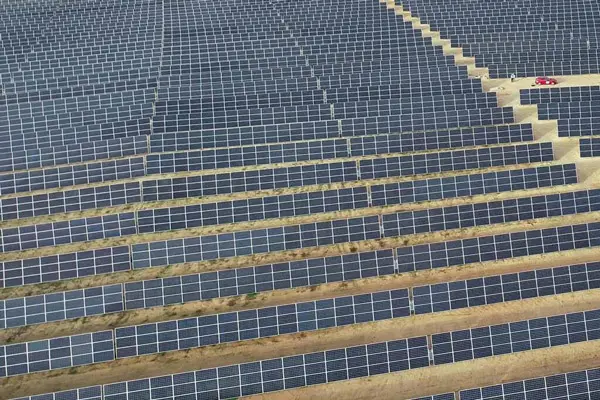
What Does Photovoltaic Inspection with Drones Involve?
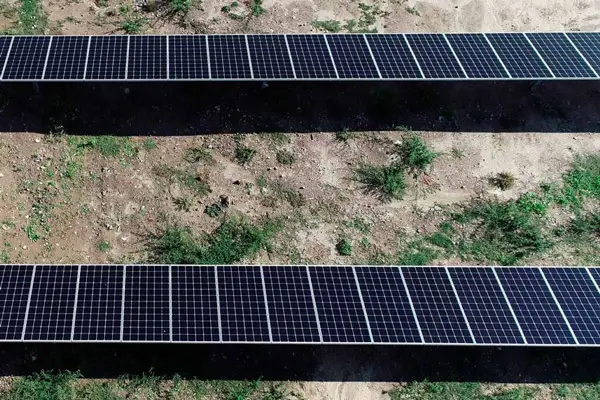
Photovoltaic drone inspection captures RGB imagery and radiometric thermography to locate hot spots, PID and faulty strings efficiently. With planned flights, controlled GSD and RTK, we generate repeatable, georeferenced data that accelerates diagnosis. Heading, altitude and orientation are recorded to repeat missions with precision.
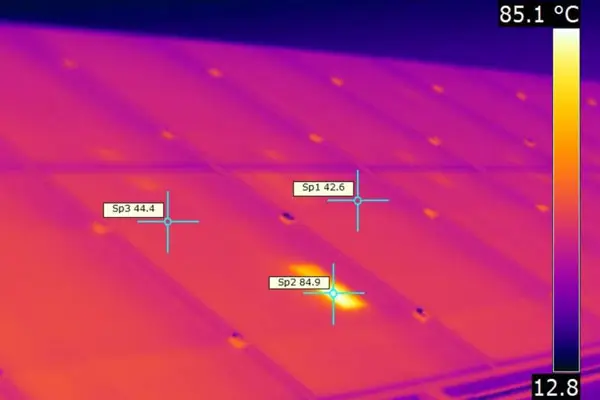
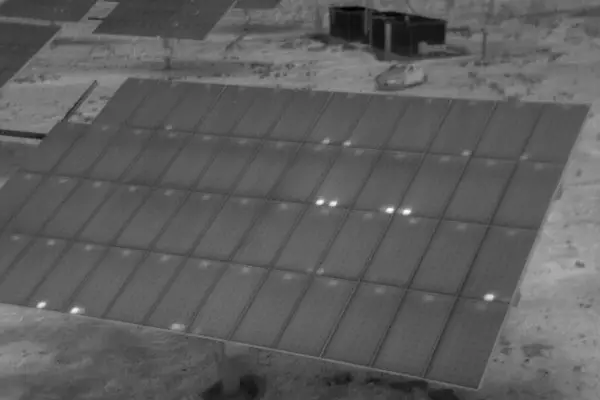
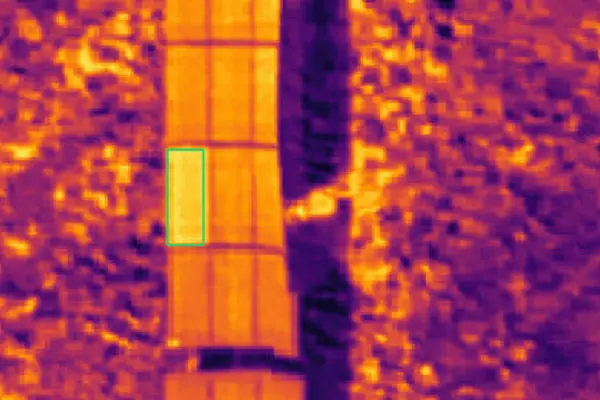
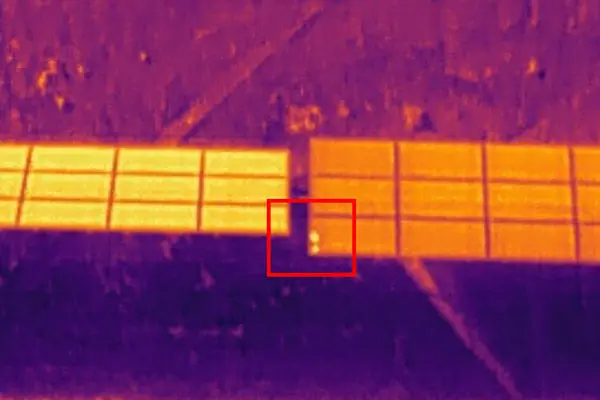
We correlate IR and RGB to create a thermal map per module and string, classifying anomalies by severity and estimating their production impact. We apply IEC 62446 criteria and consistent thermal thresholds for reliable decisions. The analysis guides cleaning, replacement or electrical checks and safely prioritises O&M actions.
We deliver georeferenced reports with IR/RGB evidence, RTK coordinates, severity levels and prioritised recommendations. Deliverables include thermal maps, detail images and traceability per module and string. Historical data enables campaign comparison, KPI tracking, reduced downtime and improved plant ROI, with export to SCADA/CMMS and corporate integration.
Benefits of Photovoltaic Drone Inspections
Photovoltaic drone inspections reduce risk and downtime. Using photovoltaic thermography, thermal drones and RTK, we identify hot spots, PID and faulty strings. We deliver PV reports and thermal maps that prioritise repairs and maximise production.
Early detection of hot spots and PID.
Safety: reduced exposure and fewer stoppages.
Fast coverage of large-scale plants.
Comparable radiometric data.
Clear reports with severity and action.
SCADA/CMMS integration.
The georeferenced report classifies anomalies by severity and cost, proposes actions and builds a history per solar module, string and field. With objective data, you optimise PV maintenance, reduce hot spot losses and improve plant ROI.
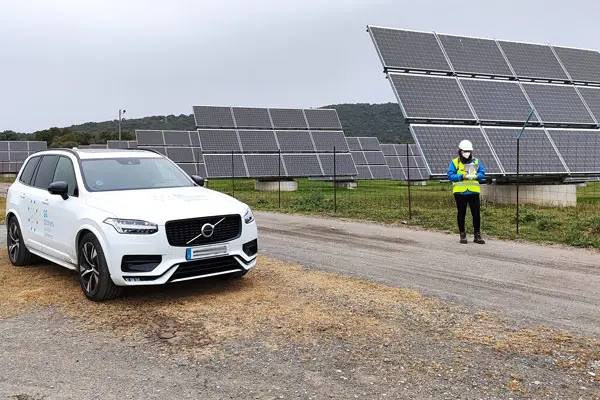
Complementary Services
Types of Defects Detected in Photovoltaic Plants
Drones detect hot spots, PID, faulty by-pass diodes, disconnected strings, shading and soiling that degrade performance. Using radiometric photovoltaic thermography and RGB correlation, we generate a thermal map and report to safely prioritise repairs.
Why Choose SG Solutions Drones
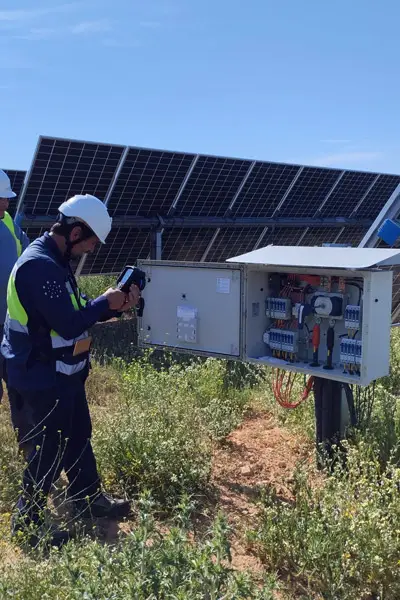
RTK + thermal equipment and IEC 62446 methodology. Georeferenced reports in under 48 hours, history per module/string and export to SCADA/CMMS.
Frequently Asked Questions about Photovoltaic Drone Inspections
Depending on plant size and wind conditions, modules and strings are inspected within hours. A preliminary report is delivered in under 48 hours to prioritise repairs and recover production as quickly as possible.
We use radiometric thermal cameras (640×512) and 4K optical cameras. IR and RGB data are correlated to accurately locate anomalies and measure thermal differences consistently.
Yes, always within manufacturer limits and following a detailed risk assessment. If wind gusts exceed safe thresholds, operations are rescheduled to ensure safety and thermographic quality.
Operations comply with IEC 62446 and EASA/AESA regulations. Flight planning, permits and SORA assessments are applied when required to operate safely in sensitive environments.
You receive a PV inspection report including a thermal map, defects classified by severity, IR/RGB evidence and recommendations. Files are exportable to SCADA/CMMS with full historical traceability.
Greater speed, 100% coverage and reproducible radiometric data. Comparable inspection history simplifies O&M and reduces energy losses.
Related Services You May Also Be Interested In
Strengthen solar plant analysis with advanced thermography and technical expansion control to maximise production and anticipate operational issues.