

Electrical Lines and Structures Inspections with Drones
Electrical line and structure drone inspections combine optical zoom and RTK positioning to inspect insulators, fittings and conductors without physical approach. We capture millimetre-level detail and georeferenced evidence, enabling repeatable O&M planning based on high-resolution imagery and RTK coordinates.
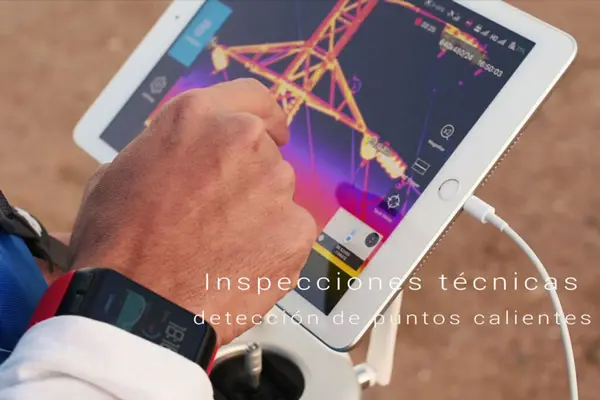
Using radiometric thermography, we detect hot spots in connections and terminals, while optical zoom identifies cracks or corrosion. We deliver georeferenced reports with severity levels and prioritised recommendations, exportable to SCADA/CMMS, to reduce outages, increase network availability and support long-term asset tracking.

What Does Electrical Line and Structure Drone Inspection Involve?
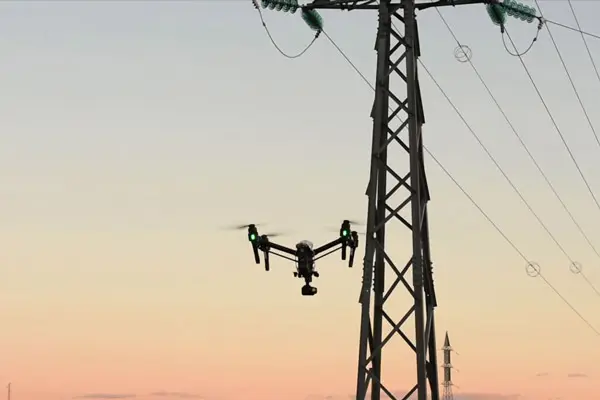
Electrical line and structure drone inspection combines RGB imagery, thermography and optical zoom to assess insulators, fittings and conductors without service interruptions. Operations are performed at a safe distance, eliminating working at height and producing standardised captures for fast, traceable maintenance decisions.
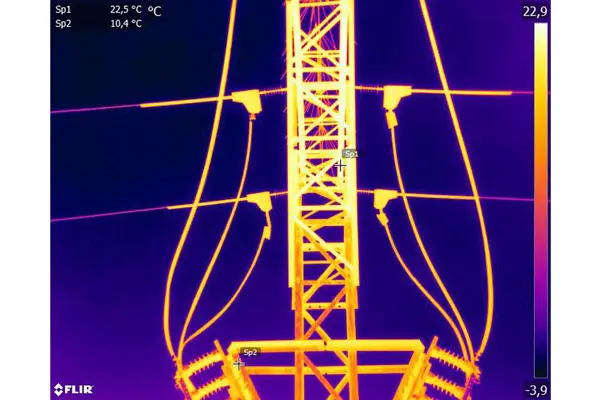
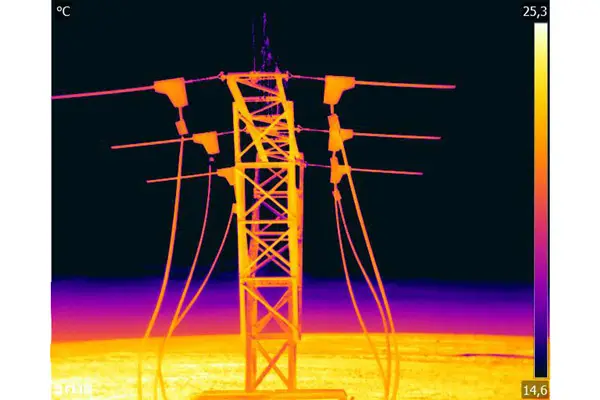
Optical zoom reveals microcracks, strand damage and corrosion, while thermography locates hot spots in terminals and splices. RTK fixes precise positions to repeat framing and compare campaigns. Clear visual evidence enables prioritisation of retightening, cleaning, replacement or refurbishment with minimal impact on operations and system availability.
We deliver georeferenced reports including close-up imagery, RTK coordinates, severity classification and recommendations exportable to SCADA/CMMS. A historical record per tower and line section reduces uncertainty, accelerates incident closure and optimises resources, increasing network availability and safety during operation and maintenance.
Benefits of Electrical Line and Structure Drone Inspections
Electrical drone inspections reduce risk and time. Using optical zoom and RTK, we locate faults in insulators, fittings and conductors from a safe distance. We deliver georeferenced, repeatable data that accelerates O&M and avoids outages.
Safety without working at height.
Detailed inspection of critical components using zoom.
RTK accuracy and repeatable routes.
Thermography for hot spots and imbalances.
Comparable reports by tower and line section.
Fewer outages and improved O&M.
The georeferenced report classifies findings by severity and cost, with zoom imagery and exact location. RTK repeatability builds a reliable history to decide when and where to intervene, reducing costs and maximising network availability.
Complementary Services
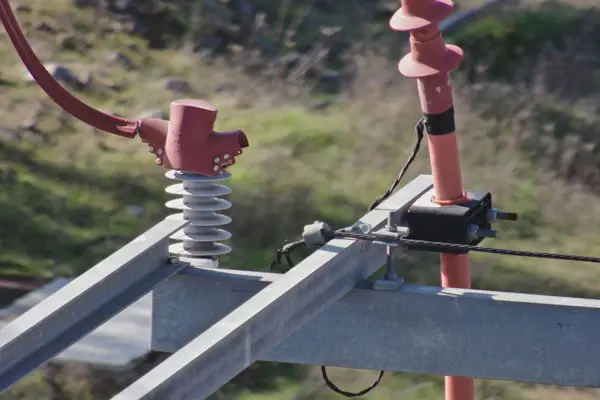
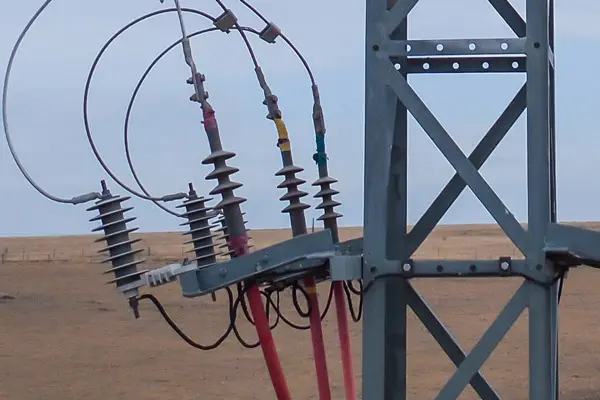
Types of Defects Detected in Electrical Lines and Structures
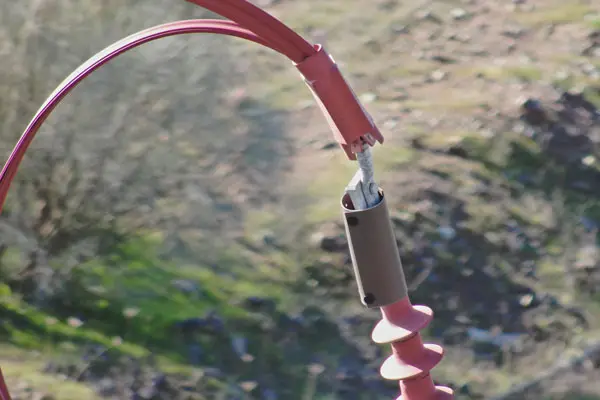
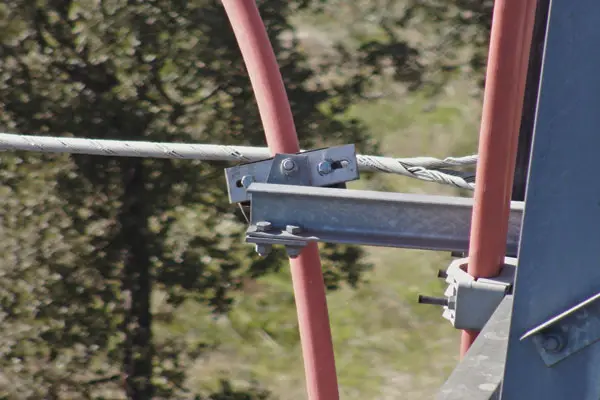
Optical zoom reveals cracks, open clamps, strand damage and corrosion, while thermography detects hot spots in connections. With RTK, we fix exact positions to track evolution and close incidents quickly with consistent evidence.
Why Choose SG solutions drones
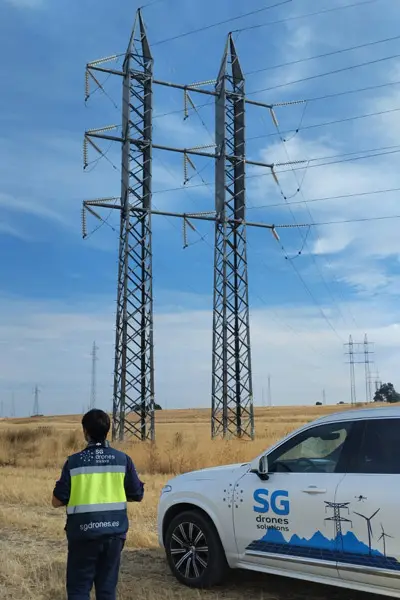
We combine grid experience with Zoom + RTK + thermal technology. We deliver auditable reports in under 48 hours and a repeatable history per tower and line section, optimising costs and increasing network availability.
Frequently Asked Questions about Electrical Line Drone Inspections
Greater safety, speed and coverage. Optical zoom enables detailed inspection without risk, while thermography detects hot spots invisible from the ground.
Yes. Operations are performed at a safe distance with detailed risk planning. Optical zoom avoids physical proximity and improves evidence quality.
We use RTK to georeference every capture. This allows repeat framing and centimetre-accurate comparison between campaigns.
Hot spots in connections, terminals and splices, as well as imbalances and losses. We prioritise adjustment, cleaning or replacement based on severity.
A georeferenced report with zoom images, RTK coordinates, severity classification and recommendations, exportable to SCADA/CMMS.
A preliminary report is delivered in under 48 hours after capture, enabling repair planning and reduced outage time.
Related Services You May Also Be Interested In
Combine precision visual inspection and thermal analysis to reinforce the safety and reliability of electrical infrastructure.